Biography
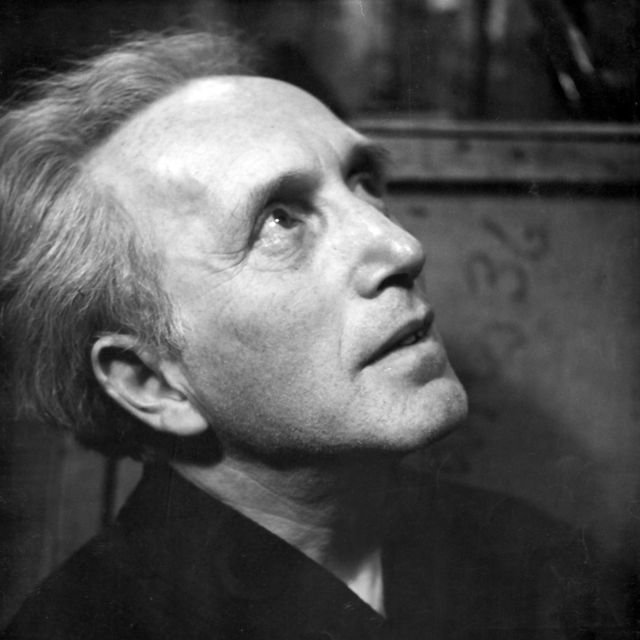
In 1897, Szenes was born into a petty bourgeois family in Pest. At the Vörösmarty street, many artists turned around, including Bárdos Arturo, Ignotus, Lajos Hatvany. He went to the Munkácsy Mihály Street Secondary Grammar School and taught Milán Füst. He was passionate about it, drawing a lot. In World War I he soldiers, but he did not come to the front; portraits painted on the grave of heroic dead after a photo. Here he recognized Sculptor Bokros Birman Dezső, who directed him to modern art. He enrolled in the free school of József Rippl-Rónai, where Béla Iványi-Grünwald and Károly Kernstok had great influence. In 1919. he worked with his workshop painters at the Kecskemét Artist Colony. Since they did not receive money, they had to make use of agricultural works. He painted together with Gyula Derkovits, Béla Iványi-Grünwald, János Kmetty, Róbert Emil Novotny and Pátzay Pál. He was ill with hard physical work, and with his two friends he moved to a business premise in Városmajor Street in Budapest. At that time, he met István Beöthy, who studied Buddhism and Oriental art. He did not have a more mature style: in 1922 he exhibited abstract artwork at a group exhibition of young artists at Ernst's Gallery, but his other paintings of the same year reflect the traditions of the Hungarian painting of the turn of the century and the influence of his masters. A European study trip; the first station in Germany in 1924, where he met with the works of Kandinsky and Klee, and studied the paintings of Giotto and Piero della Francesca in Italy. He first arrived in Paris in 1924, then traveled for only three months, then in the autumn of 1925, but then he was out. The money he received from his uncle was sold out, and for months he was in extreme poverty, nightclubs, and László Ney lived on cartoons made from guests at Montmartre cafes. Many Hungarians lived in Paris in addition to his mother, György Marton, Zsigmond Kolozsvári and Gábor Peterdi, who helped Szenes too much artistically. Meanwhile, he had exhibitions, and while he was bohemian with many women, he also visited the Grande Chaumière Free School. Here he met in Portugal in 1929 with Portuguese Maria Helena Vieira da Silva. They married in 1930, his wife became a Hungarian citizen, and remained until 1956. After marriage, she lived a more restrained life. In 1930, the couple visited the artists' colony of Nagybánya. They lived and worked in a dead end in Paris, rue des Camelias, where many artists lived; They met with Lajos Tihanyi's friend, Kokoschka and Varese, but Jacques Lipchitz also visited them. Later, they moved their headquarters to boulevard Saint Jacques, and their studio was above a cardboard factory. Through their patrons and galleries, Jeanne Bucher, they were in close contact with Miró, Max Ernst. At that time, Szenes visited the cafeteria of Les Amis du Monde group of young left-wing artists, István Hajdu (Étienne), Estève, Pignon, Breton, Aragon, etc. company. Through his wife, he contacted the Stanley Hayter-led Ateliers 17 studios, which removed his works from the 1930s to surrealism. At the outbreak of the Second World War, they left Paris, leaving Jeanne Bucher their studio and pictures. They spent a few months in Lisbon, where Szenes had an independent exhibition, and then went to Brazil in 1940. They lived in Rio de Janeiro for some time, then settled in nearby Santa Teresa. The art media around the Rio was less inspirational to Paris; although they met with Gerardo Murillo (Dr. Atl) and some other painters, they were more concerned with poets and writers at this time. He painted close-ups of paintings, portraits of writers, poets, books illustrated. He founded a painting school called Sylvestre, taught amateurs and young Brazilian modernists. In 1947. they returned home to Paris. After they returned, they returned to the boulevard Saint Jacques studio, and Szenes continued to teach. At that time, he started working on perhaps the most significant series of geometric and organic shapes, repetitive motifs, made of various techniques (watercolor, gouache, oil, pastel and chalk). Meanwhile, he painted portraits of Vieira da Silva, making hundreds of paintings altogether. The French State first bought its paintings in 1949, followed by several state purchases. From the middle of the 1950s, its expression was purer; His landscape and vertical relationships are of great significance, and his color scale has been reduced to a few pale colors. From then on, his wife, Vieira da Silva, became more and more adored while he was slightly overwhelmed. In 1979, he made seven works from 1942 to 1970 to the Budapest Museum of Fine Arts and the Janus Pannonius Museum in Pécs. After his death and the change of regime in Hungary, Vieira da Silva established the foundation for the promotion of young artists, with their names in Lisbon, in 1990. The museum building in Praça das Amoreiras 58 was previously a silk factory. He died at age 87 from a pulmonar edema, in 1995.
Track Árpàd Szenes
Get notifications when works come to auction, and access market analytics
Create Free AccountAlready have an account? Sign In
Professional documentation gives you clarity, portability, and confidence in your collection.
Learn why collectors document their holdings online


Your collection, accessible anywhere
Access your collection from any device with our cloud-based platform. Native mobile apps provide seamless synchronization and offline browsing, ensuring your collection data is always at hand.


Biography
In 1897, Szenes was born into a petty bourgeois family in Pest. At the Vörösmarty street, many artists turned around, including Bárdos Arturo, Ignotus, Lajos Hatvany. He went to the Munkácsy Mihály Street Secondary Grammar School and taught Milán Füst. He was passionate about it, drawing a lot. In World War I he soldiers, but he did not come to the front; portraits painted on the grave of heroic dead after a photo. Here he recognized Sculptor Bokros Birman Dezső, who directed him to modern art. He enrolled in the free school of József Rippl-Rónai, where Béla Iványi-Grünwald and Károly Kernstok had great influence. In 1919. he worked with his workshop painters at the Kecskemét Artist Colony. Since they did not receive money, they had to make use of agricultural works. He painted together with Gyula Derkovits, Béla Iványi-Grünwald, János Kmetty, Róbert Emil Novotny and Pátzay Pál. He was ill with hard physical work, and with his two friends he moved to a business premise in Városmajor Street in Budapest. At that time, he met István Beöthy, who studied Buddhism and Oriental art. He did not have a more mature style: in 1922 he exhibited abstract artwork at a group exhibition of young artists at Ernst's Gallery, but his other paintings of the same year reflect the traditions of the Hungarian painting of the turn of the century and the influence of his masters. A European study trip; the first station in Germany in 1924, where he met with the works of Kandinsky and Klee, and studied the paintings of Giotto and Piero della Francesca in Italy. He first arrived in Paris in 1924, then traveled for only three months, then in the autumn of 1925, but then he was out. The money he received from his uncle was sold out, and for months he was in extreme poverty, nightclubs, and László Ney lived on cartoons made from guests at Montmartre cafes. Many Hungarians lived in Paris in addition to his mother, György Marton, Zsigmond Kolozsvári and Gábor Peterdi, who helped Szenes too much artistically. Meanwhile, he had exhibitions, and while he was bohemian with many women, he also visited the Grande Chaumière Free School. Here he met in Portugal in 1929 with Portuguese Maria Helena Vieira da Silva. They married in 1930, his wife became a Hungarian citizen, and remained until 1956. After marriage, she lived a more restrained life. In 1930, the couple visited the artists' colony of Nagybánya. They lived and worked in a dead end in Paris, rue des Camelias, where many artists lived; They met with Lajos Tihanyi's friend, Kokoschka and Varese, but Jacques Lipchitz also visited them. Later, they moved their headquarters to boulevard Saint Jacques, and their studio was above a cardboard factory. Through their patrons and galleries, Jeanne Bucher, they were in close contact with Miró, Max Ernst. At that time, Szenes visited the cafeteria of Les Amis du Monde group of young left-wing artists, István Hajdu (Étienne), Estève, Pignon, Breton, Aragon, etc. company. Through his wife, he contacted the Stanley Hayter-led Ateliers 17 studios, which removed his works from the 1930s to surrealism. At the outbreak of the Second World War, they left Paris, leaving Jeanne Bucher their studio and pictures. They spent a few months in Lisbon, where Szenes had an independent exhibition, and then went to Brazil in 1940. They lived in Rio de Janeiro for some time, then settled in nearby Santa Teresa. The art media around the Rio was less inspirational to Paris; although they met with Gerardo Murillo (Dr. Atl) and some other painters, they were more concerned with poets and writers at this time. He painted close-ups of paintings, portraits of writers, poets, books illustrated. He founded a painting school called Sylvestre, taught amateurs and young Brazilian modernists. In 1947. they returned home to Paris. After they returned, they returned to the boulevard Saint Jacques studio, and Szenes continued to teach. At that time, he started working on perhaps the most significant series of geometric and organic shapes, repetitive motifs, made of various techniques (watercolor, gouache, oil, pastel and chalk). Meanwhile, he painted portraits of Vieira da Silva, making hundreds of paintings altogether. The French State first bought its paintings in 1949, followed by several state purchases. From the middle of the 1950s, its expression was purer; His landscape and vertical relationships are of great significance, and his color scale has been reduced to a few pale colors. From then on, his wife, Vieira da Silva, became more and more adored while he was slightly overwhelmed. In 1979, he made seven works from 1942 to 1970 to the Budapest Museum of Fine Arts and the Janus Pannonius Museum in Pécs. After his death and the change of regime in Hungary, Vieira da Silva established the foundation for the promotion of young artists, with their names in Lisbon, in 1990. The museum building in Praça das Amoreiras 58 was previously a silk factory. He died at age 87 from a pulmonar edema, in 1995.
Track Árpàd Szenes
Get notifications when works come to auction, and access market analytics
Create Free AccountAlready have an account? Sign In
Professional documentation gives you clarity, portability, and confidence in your collection.
Learn why collectors document their holdings onlineYour collection, accessible anywhere
Access your collection from any device with our cloud-based platform. Native mobile apps provide seamless synchronization and offline browsing, ensuring your collection data is always at hand.