Biography
Hans Richter was a German artist and filmmaker known for his role in the Dada movement. Richter was devoted to breaking with the conventions of art history to find new insights into creating. “The life we led, our follies and our deeds of heroism, our provocations, however 'polemical' and aggressive they may have been, were all part of a tireless quest for an anti-art, a new way of thinking, feeling and knowing,” he once said. Born Johannes Siegfried Richter on April 6, 1888 in Berlin, Germany to a wealthy Jewish family, he studied art as young man despite his father’s misgivings. Richter copied paintings by Old Masters as well as academic paintings of the 19th century, before adopting a style more akin to that of Paul Cézanne. In 1914, he was drafted into the German military to fight in World War I, where he was injured in battle. Sent to recover at a medical facility in Zürich, Richter was put in touch with the Dadaists Hugo Ball, Tristan Tzara, and Jean (Hans) Arp, by his friends in Berlin. During this period, he also befriended the Swedish filmmaker Viking Eggeling, with whom Richter collaborated on a number of pioneering abstract films. Forced to flee persecution by the Nazi regime during the 1930s, Richter travelled to the Soviet Union then the United States to escape. He spent his later years in Connecticut, returned to painting, and published the book Dada: Art and Anti-Art in 1965. Richter died on February 1, 1976 in Minusio, Switzerland. Today, the artist’s works are held in the collections of the Hirshhorn Museum and Sculpture Garden in Washington, D.C., The Museum of Modern Art in New York, and the Peggy Guggenheim Collection in Venice, among others.
Track Hans Richter
Get notifications when works come to auction, and access market analytics
Create Free AccountAlready have an account? Sign In
Professional documentation gives you clarity, portability, and confidence in your collection.
Learn why collectors document their holdings online


Your collection, accessible anywhere
Access your collection from any device with our cloud-based platform. Native mobile apps provide seamless synchronization and offline browsing, ensuring your collection data is always at hand.


Biography
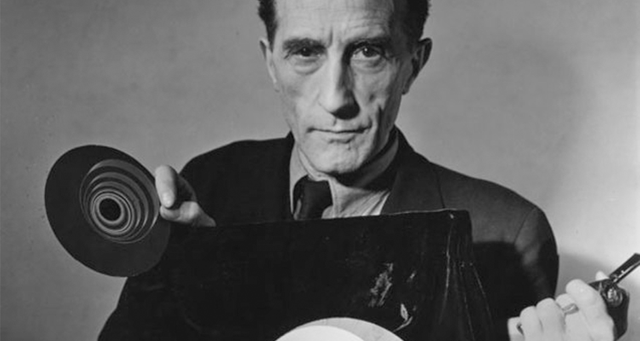
Hans Richter was a German artist and filmmaker known for his role in the Dada movement. Richter was devoted to breaking with the conventions of art history to find new insights into creating. “The life we led, our follies and our deeds of heroism, our provocations, however 'polemical' and aggressive they may have been, were all part of a tireless quest for an anti-art, a new way of thinking, feeling and knowing,” he once said. Born Johannes Siegfried Richter on April 6, 1888 in Berlin, Germany to a wealthy Jewish family, he studied art as young man despite his father’s misgivings. Richter copied paintings by Old Masters as well as academic paintings of the 19th century, before adopting a style more akin to that of Paul Cézanne. In 1914, he was drafted into the German military to fight in World War I, where he was injured in battle. Sent to recover at a medical facility in Zürich, Richter was put in touch with the Dadaists Hugo Ball, Tristan Tzara, and Jean (Hans) Arp, by his friends in Berlin. During this period, he also befriended the Swedish filmmaker Viking Eggeling, with whom Richter collaborated on a number of pioneering abstract films. Forced to flee persecution by the Nazi regime during the 1930s, Richter travelled to the Soviet Union then the United States to escape. He spent his later years in Connecticut, returned to painting, and published the book Dada: Art and Anti-Art in 1965. Richter died on February 1, 1976 in Minusio, Switzerland. Today, the artist’s works are held in the collections of the Hirshhorn Museum and Sculpture Garden in Washington, D.C., The Museum of Modern Art in New York, and the Peggy Guggenheim Collection in Venice, among others.
Track Hans Richter
Get notifications when works come to auction, and access market analytics
Create Free AccountAlready have an account? Sign In
Professional documentation gives you clarity, portability, and confidence in your collection.
Learn why collectors document their holdings onlineYour collection, accessible anywhere
Access your collection from any device with our cloud-based platform. Native mobile apps provide seamless synchronization and offline browsing, ensuring your collection data is always at hand.