Biography
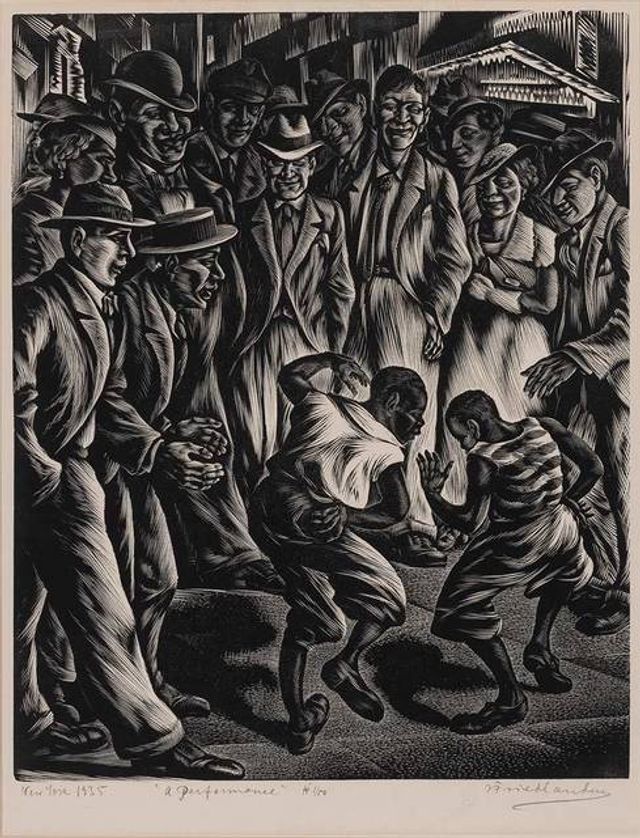
Isac Friedlander was born in 1890 in Mitau, now known as Jelgava, Latvia, a town that lies 24 km southwest of Riga, at that time a part of the Russian Empire. When only 16 years old, on November 16, 1906, Isac was arrested together with three other young men, all students of the Realschule, accused of “the intentional killing of their teacher,” a Mr. Petrov. The killing took place in the military territory, AF on September 13, 1906. Although he apparently was not the actual shooter, Isac accepted blame for the murder and on November 19, 1907 he was condemned by the Russian authorities to an imprisonment of 12 years. He was 17 at the time. Isac served only four years of this harsh sentence, a major portion of which was spent in solitary confinement, an experience which undoubtedly left its imprint on his volatile nature. It was during this time that his interest in art was stimulated and refined. Isac was released from prison in approximately 1912, after which he went to Italy where he gravitated toward the circle of Russian expatriate artists at the center of which was Maxim Gorky who befriended him and encouraged his artistic pursuits. It was in Italy where Isac obtained his only formal training in art, studying etching, drawing and relief printing at the Academy of Rome. After the Czarist regime was overthrown in 1917-18, the Karensky government arranged to pay for the return of all political exiles. So Isac returned to Russia where he remained for only a brief period before returning to his familiar Latvia where he supported himself teaching art to grade and high school students and where he married his first wife, Froma Rachi Steinl, whit whom he has a daughter, Geisa Friedlander, both of whom were killed in the Holocaust. Isac and Rachi separated after several years and eventually divorced and in 1929. Under the aegis of his first cousin, Joseph Hirshhorn, Isac emigrated to Canada, passing through New York, Hirshhorn had arranged his passage from Latvia to Toronto via New York City and gave Isac $300. In 1937, Isac was married to his second wife, Gilda Barondess in Toronto. Soon after, the couple immigrated to New York City where Isac worked full time as an artist. The couple had one daughter, Marga Naomi Friedlander who was born in 1940. Friedlander’s work, mainly woodcuts and etchings, were widely known and highly praised. His work can be found in private collections as well as the Neuburger Museum in Purchase, New York; the Biblioteque National in France; the Smithsonian Institution in Washington, DC; the Brooklyn Museum, Cooper-Hewett Museum and the Metropolitan Museum in New York City among others. He has been the recipient of numerous print-making awards. Friedlander died in 1968 in New York City in his apartment on West End Avenue.
Track Isac Friedlander
Get notifications when works come to auction, and access market analytics
Create Free AccountAlready have an account? Sign In
Professional documentation gives you clarity, portability, and confidence in your collection.
Learn why collectors document their holdings online


Your collection, accessible anywhere
Access your collection from any device with our cloud-based platform. Native mobile apps provide seamless synchronization and offline browsing, ensuring your collection data is always at hand.


Biography
Isac Friedlander was born in 1890 in Mitau, now known as Jelgava, Latvia, a town that lies 24 km southwest of Riga, at that time a part of the Russian Empire. When only 16 years old, on November 16, 1906, Isac was arrested together with three other young men, all students of the Realschule, accused of “the intentional killing of their teacher,” a Mr. Petrov. The killing took place in the military territory, AF on September 13, 1906. Although he apparently was not the actual shooter, Isac accepted blame for the murder and on November 19, 1907 he was condemned by the Russian authorities to an imprisonment of 12 years. He was 17 at the time. Isac served only four years of this harsh sentence, a major portion of which was spent in solitary confinement, an experience which undoubtedly left its imprint on his volatile nature. It was during this time that his interest in art was stimulated and refined. Isac was released from prison in approximately 1912, after which he went to Italy where he gravitated toward the circle of Russian expatriate artists at the center of which was Maxim Gorky who befriended him and encouraged his artistic pursuits. It was in Italy where Isac obtained his only formal training in art, studying etching, drawing and relief printing at the Academy of Rome. After the Czarist regime was overthrown in 1917-18, the Karensky government arranged to pay for the return of all political exiles. So Isac returned to Russia where he remained for only a brief period before returning to his familiar Latvia where he supported himself teaching art to grade and high school students and where he married his first wife, Froma Rachi Steinl, whit whom he has a daughter, Geisa Friedlander, both of whom were killed in the Holocaust. Isac and Rachi separated after several years and eventually divorced and in 1929. Under the aegis of his first cousin, Joseph Hirshhorn, Isac emigrated to Canada, passing through New York, Hirshhorn had arranged his passage from Latvia to Toronto via New York City and gave Isac $300. In 1937, Isac was married to his second wife, Gilda Barondess in Toronto. Soon after, the couple immigrated to New York City where Isac worked full time as an artist. The couple had one daughter, Marga Naomi Friedlander who was born in 1940. Friedlander’s work, mainly woodcuts and etchings, were widely known and highly praised. His work can be found in private collections as well as the Neuburger Museum in Purchase, New York; the Biblioteque National in France; the Smithsonian Institution in Washington, DC; the Brooklyn Museum, Cooper-Hewett Museum and the Metropolitan Museum in New York City among others. He has been the recipient of numerous print-making awards. Friedlander died in 1968 in New York City in his apartment on West End Avenue.
Track Isac Friedlander
Get notifications when works come to auction, and access market analytics
Create Free AccountAlready have an account? Sign In
Professional documentation gives you clarity, portability, and confidence in your collection.
Learn why collectors document their holdings onlineYour collection, accessible anywhere
Access your collection from any device with our cloud-based platform. Native mobile apps provide seamless synchronization and offline browsing, ensuring your collection data is always at hand.