Biography
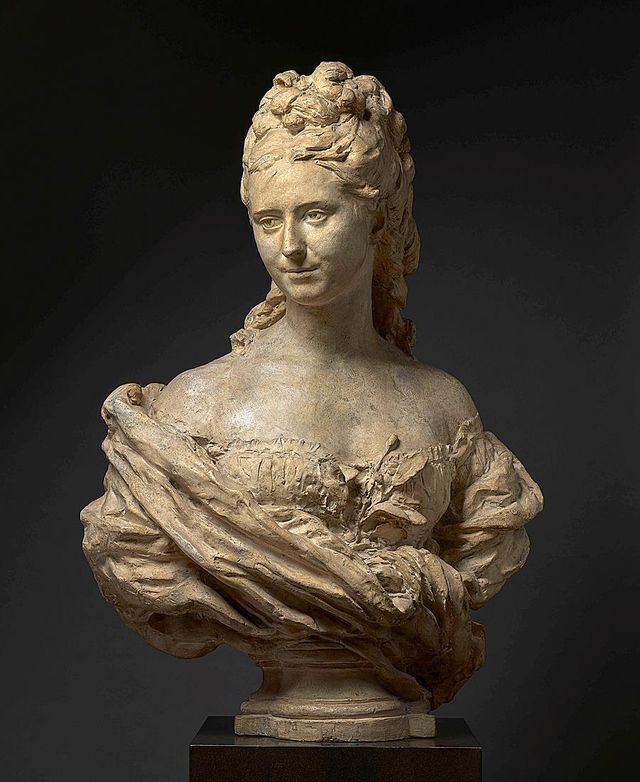
Jean-Baptiste Carpeaux, (born May 11, 1827, Valenciennes, France—died Oct. 12, 1875, Courbevoie), the leading French sculptor of his time. His works, containing a lively realism, rhythm, and variety that were in opposition to contemporary French academic sculpture, form a prelude to the art of Auguste Rodin, who revered him. For some time, Carpeaux was a student of the prominent French sculptor François Rude. Winning the 1854 Prix de Rome enabled him to live in Rome (1856–62), where he was influenced by the works of such Italian Renaissance sculptors as Michelangelo, Donatello, and Verrocchio. He established his reputation with Neapolitan Fisherboy (1857) and Ugolino and His Sons (1861), a dramatic bronze for the Tuileries Gardens, Paris, and won favour at the court of Napoleon III, receiving many commissions for portrait busts. His most famous work, The Dance (completed 1869), a sculptural group for the facade of the Paris Opéra, created a sensation and was attacked as immoral. His works were the subject of some of the most significant debates about sculpture during the mid-19th century. In order to allay the huge costs of his monumental projects he produced reductions and variants of them and many celebrated portraits that earned considerable sums of money and made his work widely available to private buyers, both the wealthy and those of modest means.
Track Jean-baptiste Carpeaux
Get notifications when works come to auction, and access market analytics
Create Free AccountAlready have an account? Sign In
Professional documentation gives you clarity, portability, and confidence in your collection.
Learn why collectors document their holdings online


Your collection, accessible anywhere
Access your collection from any device with our cloud-based platform. Native mobile apps provide seamless synchronization and offline browsing, ensuring your collection data is always at hand.


Biography
Jean-Baptiste Carpeaux, (born May 11, 1827, Valenciennes, France—died Oct. 12, 1875, Courbevoie), the leading French sculptor of his time. His works, containing a lively realism, rhythm, and variety that were in opposition to contemporary French academic sculpture, form a prelude to the art of Auguste Rodin, who revered him. For some time, Carpeaux was a student of the prominent French sculptor François Rude. Winning the 1854 Prix de Rome enabled him to live in Rome (1856–62), where he was influenced by the works of such Italian Renaissance sculptors as Michelangelo, Donatello, and Verrocchio. He established his reputation with Neapolitan Fisherboy (1857) and Ugolino and His Sons (1861), a dramatic bronze for the Tuileries Gardens, Paris, and won favour at the court of Napoleon III, receiving many commissions for portrait busts. His most famous work, The Dance (completed 1869), a sculptural group for the facade of the Paris Opéra, created a sensation and was attacked as immoral. His works were the subject of some of the most significant debates about sculpture during the mid-19th century. In order to allay the huge costs of his monumental projects he produced reductions and variants of them and many celebrated portraits that earned considerable sums of money and made his work widely available to private buyers, both the wealthy and those of modest means.
Track Jean-baptiste Carpeaux
Get notifications when works come to auction, and access market analytics
Create Free AccountAlready have an account? Sign In
Professional documentation gives you clarity, portability, and confidence in your collection.
Learn why collectors document their holdings onlineYour collection, accessible anywhere
Access your collection from any device with our cloud-based platform. Native mobile apps provide seamless synchronization and offline browsing, ensuring your collection data is always at hand.