Biography
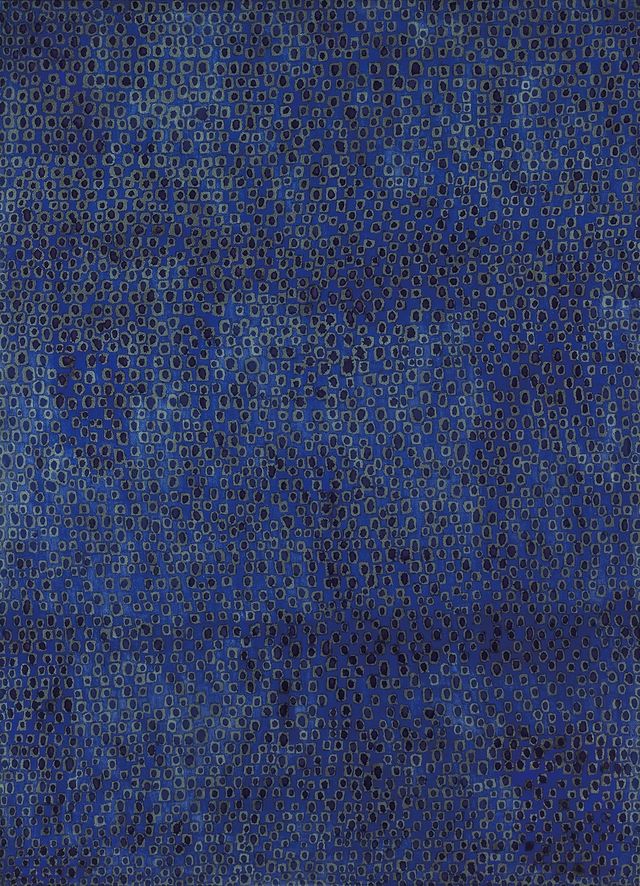
Whanki Kim was a Korean painter best known for his softly colored abstractions. Kim merged traditional Korean subject matter with a Western style influenced by Fernand Léger and Mark Rothko. “There's beauty in my art, and this beauty comes from having lived in the Korean countryside,” he once explained. Born on February 27, 1913 in Gijwamyeon, South Korea, he studied fine arts at Nihon University in Tokyo under Seiji Togo during the mid-1930s. Kim’s When Larks Sang (1935) depicts a woman holding a basket atop her head, its fragmented, geometric shapes show the influence of Cubism. Returning to Korea in 1937, he soon established himself as a pioneer of abstract painting in his home country. In the 1950s, traveled to Paris and later to New York in 1963, living abroad provided him with a sense of pride in Korean art and its unique qualities. The artist died on July 25, 1974 in New York, NY. In 1992, the Whanki Museum was established by the artist’s foundation in the city of Seoul, South Korea, where the majority of his work is held.
Track Kim Whanki
Get notifications when works come to auction, and access market analytics
Create Free AccountAlready have an account? Sign In
Professional documentation gives you clarity, portability, and confidence in your collection.
Learn why collectors document their holdings online


Your collection, accessible anywhere
Access your collection from any device with our cloud-based platform. Native mobile apps provide seamless synchronization and offline browsing, ensuring your collection data is always at hand.


Biography
Whanki Kim was a Korean painter best known for his softly colored abstractions. Kim merged traditional Korean subject matter with a Western style influenced by Fernand Léger and Mark Rothko. “There's beauty in my art, and this beauty comes from having lived in the Korean countryside,” he once explained. Born on February 27, 1913 in Gijwamyeon, South Korea, he studied fine arts at Nihon University in Tokyo under Seiji Togo during the mid-1930s. Kim’s When Larks Sang (1935) depicts a woman holding a basket atop her head, its fragmented, geometric shapes show the influence of Cubism. Returning to Korea in 1937, he soon established himself as a pioneer of abstract painting in his home country. In the 1950s, traveled to Paris and later to New York in 1963, living abroad provided him with a sense of pride in Korean art and its unique qualities. The artist died on July 25, 1974 in New York, NY. In 1992, the Whanki Museum was established by the artist’s foundation in the city of Seoul, South Korea, where the majority of his work is held.
Track Kim Whanki
Get notifications when works come to auction, and access market analytics
Create Free AccountAlready have an account? Sign In
Professional documentation gives you clarity, portability, and confidence in your collection.
Learn why collectors document their holdings onlineYour collection, accessible anywhere
Access your collection from any device with our cloud-based platform. Native mobile apps provide seamless synchronization and offline browsing, ensuring your collection data is always at hand.