Michèle Salmon
Biography
Michèle Salmon is an established artist. Michèle Salmon was born in 1946. Artists Yvon, Nuno Ryberg, Mo Ziqiang, Konstantin Assol, and Diether Münzberg are of the same generation. Further Biographical Context for Michèle Salmon Michèle Salmon was born in 1946 and was largely influenced creatively by the 1960s growing up. The 1960s were an explosive decade internationally, witnessing a proliferation of modernist ideas and trends. It was the era of Kennedy and Kruschev, and the start of the Cold War, which would endure for most of the second half of the 20th century, and was epitomised most symbolically by the construction of the Berlin Wall in 1961. The Iron Curtain divided Eastern and Western Europe, both ideologically and literally, and student political uprisings took place globally. Psychedelia, an vast increase in consumerism, and the associated trends of marketing and advertising further epitomised the era. Artistically, the decade began with the twin movements of Pop and Minimalism emerging parallel to each other. On one hand, Pop espoused the visual culture of the mainstream and mass media, and of products and consumerism. Artwork by artists like Andy Warhol, Roy Lichtenstein, Tom Wesselmann and Claes Oldenberg was inspired by the popular culture of the rapidly developing Capitalism of the United States, taking things like advertising, comic books and ideas surrounding celebrity culture as their main visual cues. A parallel movement developed on the West Coast in California - a strain that also related to language in art, and is viewed as the very first blossoming of conceptual art. Minimalism developed a formal language with no external references, based solely on line, colour and geometric form as key constituents of both painting and sculpture. The significant figures of Minimalism included Frank Stella, Donald Judd and Agnes Martin. Pop Art was an influential offshoot of minimalism, a discipline made famous by through the work of artists such as Victor Vasarely and Bridget Riley. Colour Field painting, as practiced by Morris Louis, Kenneth Noland and Helen Frankenthaler, further explored some of the expressive philosophies of Abstract Expressionism, but removed much of the rhetoric, instead approaching a more rule-based approach to surface and colour that associated this practice with Minimalism. Around the world a number of artistic movements echoed the artistic concerns of the previously mentioned movements, often with regional specialisms and nuance. In Italy, Lucio Fontana and Piero Manzoni established Spatialism, and in Germany the Zero group under the leadership of Gunter Uecker espoused similar ideas. The influential school of Existentialist Philosophy was an important source of creativity for artists, with artists like Francis Bacon and Alberto Giacometti achieving international prominence for their distinctive approaches to the human form and the anguish related to the human condition.
Track Michèle Salmon
Get notifications when works come to auction, and access market analytics
Create Free AccountAlready have an account? Sign In
Professional documentation gives you clarity, portability, and confidence in your collection.
Learn why collectors document their holdings online


Your collection, accessible anywhere
Access your collection from any device with our cloud-based platform. Native mobile apps provide seamless synchronization and offline browsing, ensuring your collection data is always at hand.


Michèle Salmon
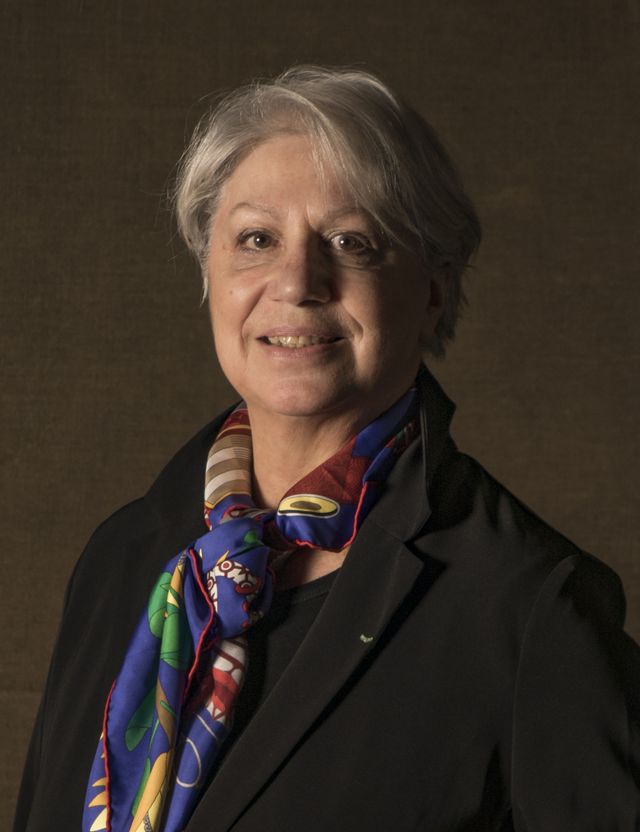
Biography
Michèle Salmon is an established artist. Michèle Salmon was born in 1946. Artists Yvon, Nuno Ryberg, Mo Ziqiang, Konstantin Assol, and Diether Münzberg are of the same generation. Further Biographical Context for Michèle Salmon Michèle Salmon was born in 1946 and was largely influenced creatively by the 1960s growing up. The 1960s were an explosive decade internationally, witnessing a proliferation of modernist ideas and trends. It was the era of Kennedy and Kruschev, and the start of the Cold War, which would endure for most of the second half of the 20th century, and was epitomised most symbolically by the construction of the Berlin Wall in 1961. The Iron Curtain divided Eastern and Western Europe, both ideologically and literally, and student political uprisings took place globally. Psychedelia, an vast increase in consumerism, and the associated trends of marketing and advertising further epitomised the era. Artistically, the decade began with the twin movements of Pop and Minimalism emerging parallel to each other. On one hand, Pop espoused the visual culture of the mainstream and mass media, and of products and consumerism. Artwork by artists like Andy Warhol, Roy Lichtenstein, Tom Wesselmann and Claes Oldenberg was inspired by the popular culture of the rapidly developing Capitalism of the United States, taking things like advertising, comic books and ideas surrounding celebrity culture as their main visual cues. A parallel movement developed on the West Coast in California - a strain that also related to language in art, and is viewed as the very first blossoming of conceptual art. Minimalism developed a formal language with no external references, based solely on line, colour and geometric form as key constituents of both painting and sculpture. The significant figures of Minimalism included Frank Stella, Donald Judd and Agnes Martin. Pop Art was an influential offshoot of minimalism, a discipline made famous by through the work of artists such as Victor Vasarely and Bridget Riley. Colour Field painting, as practiced by Morris Louis, Kenneth Noland and Helen Frankenthaler, further explored some of the expressive philosophies of Abstract Expressionism, but removed much of the rhetoric, instead approaching a more rule-based approach to surface and colour that associated this practice with Minimalism. Around the world a number of artistic movements echoed the artistic concerns of the previously mentioned movements, often with regional specialisms and nuance. In Italy, Lucio Fontana and Piero Manzoni established Spatialism, and in Germany the Zero group under the leadership of Gunter Uecker espoused similar ideas. The influential school of Existentialist Philosophy was an important source of creativity for artists, with artists like Francis Bacon and Alberto Giacometti achieving international prominence for their distinctive approaches to the human form and the anguish related to the human condition.
Track Michèle Salmon
Get notifications when works come to auction, and access market analytics
Create Free AccountAlready have an account? Sign In
Professional documentation gives you clarity, portability, and confidence in your collection.
Learn why collectors document their holdings onlineYour collection, accessible anywhere
Access your collection from any device with our cloud-based platform. Native mobile apps provide seamless synchronization and offline browsing, ensuring your collection data is always at hand.