Biography
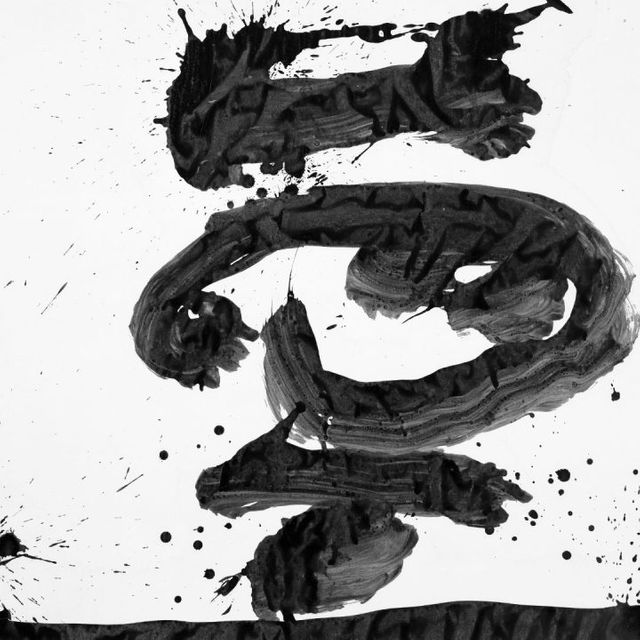
Yu-ichi Inoue gained an international reputation through the course of his career; in fact, Robert Motherwell called him one of the few great artists from the latter half of the 20th century—in spite of his reluctance to regularly participate in exhibitions. Inoue was considered an avant-garde calligrapher for his character-based subject matter, as well as his radicalization of traditional calligraphic techniques and styles. While his primary influences were the old masters of Japanese calligraphy, Inoue also employed action painting techniques like beating or splashing strips of paper with ink-laden brushes. He believed writing in this way could not only convey the meaning of the characters, but also a primitive impulse and an internal state of creativity.
Track Yuichi Inoue
Get notifications when works come to auction, and access market analytics
Create Free AccountAlready have an account? Sign In
Professional documentation gives you clarity, portability, and confidence in your collection.
Learn why collectors document their holdings online


Your collection, accessible anywhere
Access your collection from any device with our cloud-based platform. Native mobile apps provide seamless synchronization and offline browsing, ensuring your collection data is always at hand.


Biography
Yu-ichi Inoue gained an international reputation through the course of his career; in fact, Robert Motherwell called him one of the few great artists from the latter half of the 20th century—in spite of his reluctance to regularly participate in exhibitions. Inoue was considered an avant-garde calligrapher for his character-based subject matter, as well as his radicalization of traditional calligraphic techniques and styles. While his primary influences were the old masters of Japanese calligraphy, Inoue also employed action painting techniques like beating or splashing strips of paper with ink-laden brushes. He believed writing in this way could not only convey the meaning of the characters, but also a primitive impulse and an internal state of creativity.
Track Yuichi Inoue
Get notifications when works come to auction, and access market analytics
Create Free AccountAlready have an account? Sign In
Professional documentation gives you clarity, portability, and confidence in your collection.
Learn why collectors document their holdings onlineYour collection, accessible anywhere
Access your collection from any device with our cloud-based platform. Native mobile apps provide seamless synchronization and offline browsing, ensuring your collection data is always at hand.